Climbo takes part in the IV Innovation Meeting in Gran Canaria
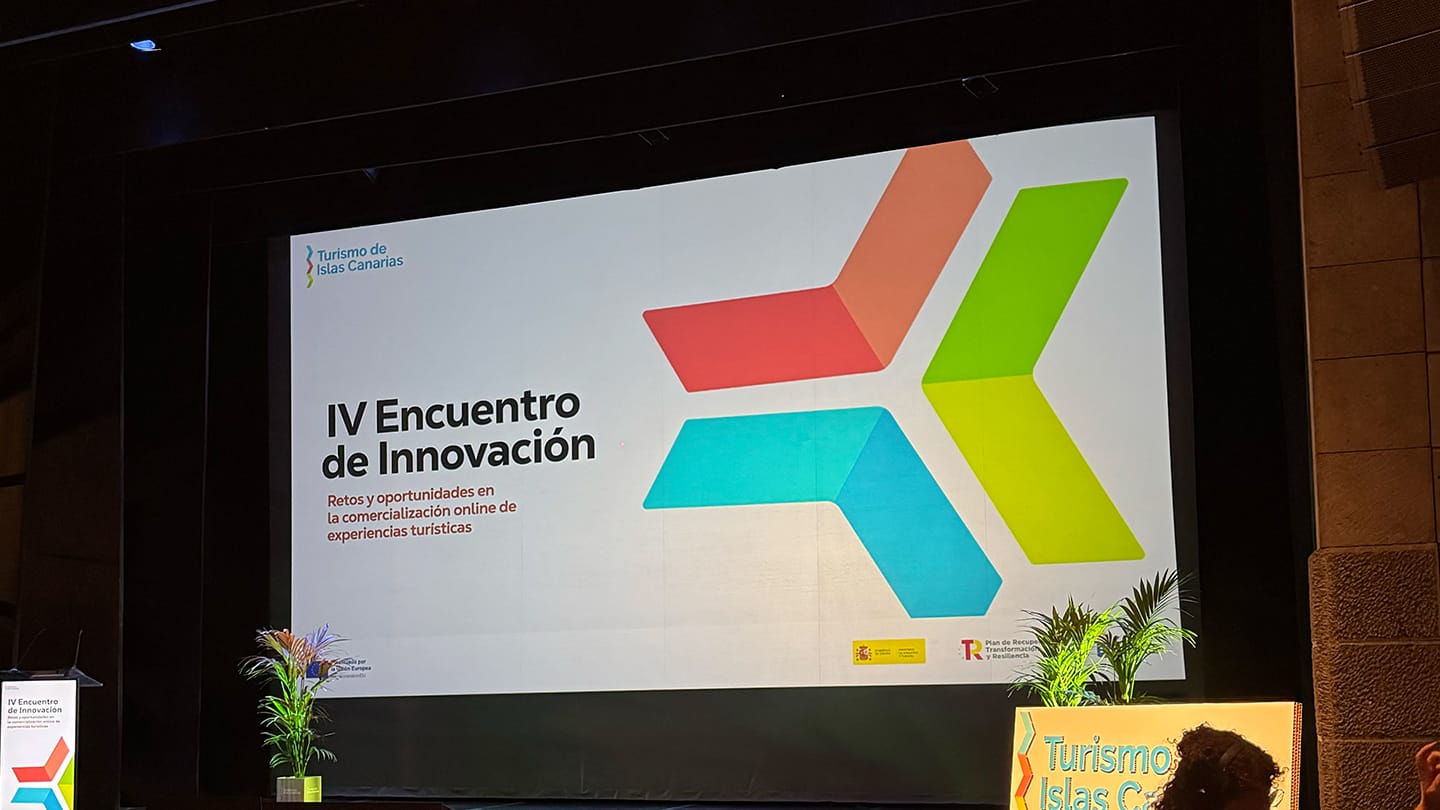
On 21 May, Climbo Tours took part in the IV Encuentro de Innovación. Retos y oportunidades en la comercialización online de experiencias turísticas — translated as the IV Innovation Meeting: Challenges and Opportunities in the Online Commercialisation of Tourism Experiences — held at the CICCA Cultural Centre in Las Palmas de Gran Canaria.
The event brought together tourism professionals to reflect on one of the key challenges facing the sector today: how to improve the online visibility, distribution and sale of tourism experiences in an increasingly digital environment.
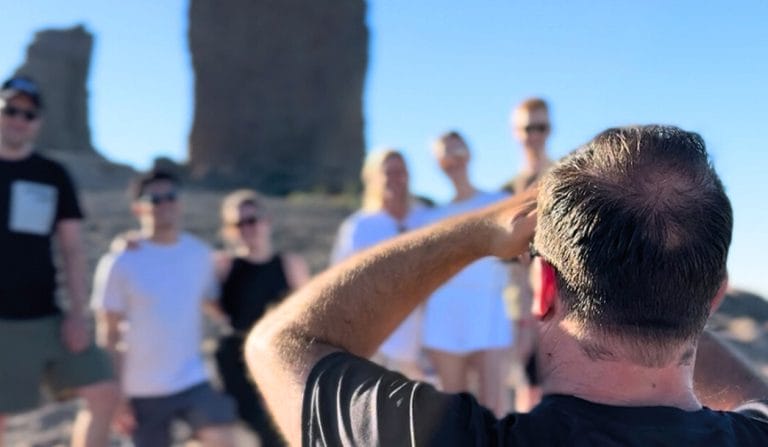
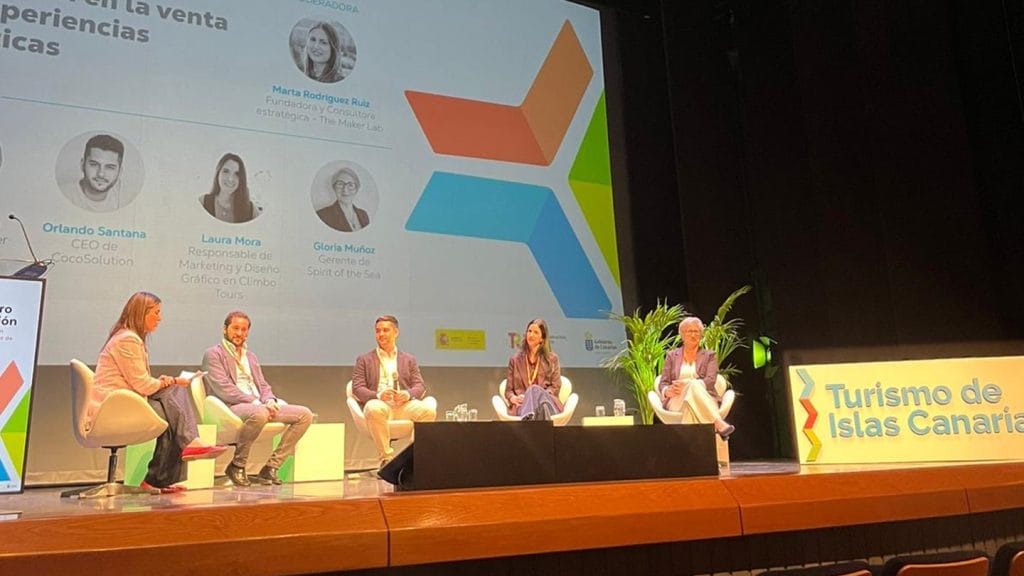
Climbo was present in the round table “Which channels work in the sale of tourism experiences”, represented by our colleague Laura Mora, from the Marketing Department, who took part in the round table “Which channels work in the sale of tourism experiences”.
A key event for the future of tourism experiences
The tourism experience sector is changing quickly. Travellers no longer discover activities only after arriving at a destination. Many now research, compare and book experiences through search engines, online platforms, social media, reviews, maps and direct websites before their trip begins.
This shift creates both opportunities and challenges for local tourism companies. A strong experience is still essential, but it is no longer enough on its own. Tourism businesses also need to communicate clearly, build trust online, choose the right sales channels and make the booking process simple for the traveller.
The IV Innovation Meeting focused precisely on these challenges. According to Turismo de Islas Canarias, the event was designed as a space for training, knowledge exchange and practical ideas for businesses in the activity and leisure tourism sector across the archipelago.
Climbo’s presence in the round table on sales channels
One of the key moments of the event was the round table “Which channels work in the sale of tourism experiences”, where our colleague Laura Mora, from the Marketing Department, shared Climbo’s perspective as a local company specialising in guided experiences connected with nature, culture and active tourism in Gran Canaria.
In a market where there are many possible sales channels —direct booking, specialised platforms, social media, search engines, partner networks and recommendations— the key question is not simply where to sell. The real challenge is understanding which channels fit each type of experience, each traveller profile and each business model.
Why sales channels matter for tourism experiences
Selling a tourism experience is different from selling a standard product. A traveller is not only buying a place for an activity. They are choosing how they want to spend their time, who they will trust to guide them and what kind of connection they want to have with the destination.
This is especially important in active, nature-based and cultural tourism. Before booking, travellers often want to understand the level of difficulty, the environment, the type of guidance, the safety approach and the value of the experience beyond the activity itself.
That is why communication matters so much. A good digital strategy helps travellers find reliable information, compare options and choose experiences that match their interests and expectations. At the same time, it helps local companies explain what makes their work distinctive: knowledge of the territory, professional guidance, respect for the environment and connection with local culture.
For Climbo, digital tools are valuable when they support these goals. Technology can improve visibility, make reservations easier and help travellers plan their visit. But the heart of the experience remains on the ground: in the landscape, in the guide’s interpretation, in the group dynamic and in the way each activity connects people with Gran Canaria.
What this means for active tourism in Gran Canaria
Volcanea Trails includes practical tools that make route planning clearer and more The discussion around sales channels is not only a technical or commercial issue. It is also connected to the kind of tourism that destinations want to promote.
When digital channels are used responsibly, they can help travellers make better-informed choices. They can explain what an activity involves, who it is suitable for, what kind of environment it takes place in and why responsible behaviour matters.
For active tourism companies, this is essential. Clear communication helps set expectations, supports safety and encourages respect for natural and cultural spaces. It also allows travellers to choose experiences aligned with their values, whether they are looking for nature, adventure, culture, geology, biodiversity or local authenticity.
Climbo’s presence at the IV Innovation Meeting reflects this broader vision: tourism innovation should help companies grow, but it should also strengthen the quality, responsibility and authenticity of the experiences offered in Gran Canaria.